October 09, 2026



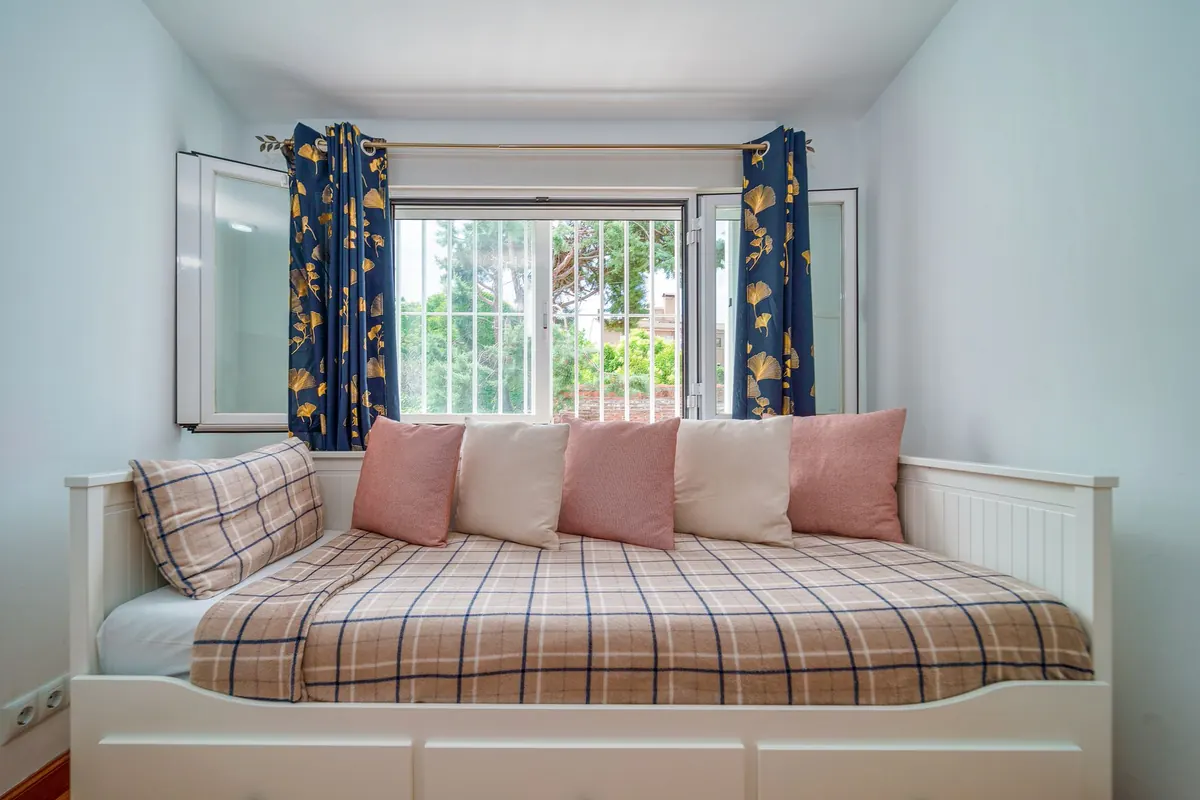
North-facing rooms have a reputation problem. They get called dark, cold and difficult, and if you have ever painted one in the cool grey that looked so good in the shop, you probably nodded along. But the light is not really the enemy. Most paint advice is written for rooms that catch direct sun, and a north-facing room in the UK is playing a different game entirely.
Get the undertones right and a north room becomes calm, soft and genuinely inviting. Get them wrong and no amount of cushions will fix it.
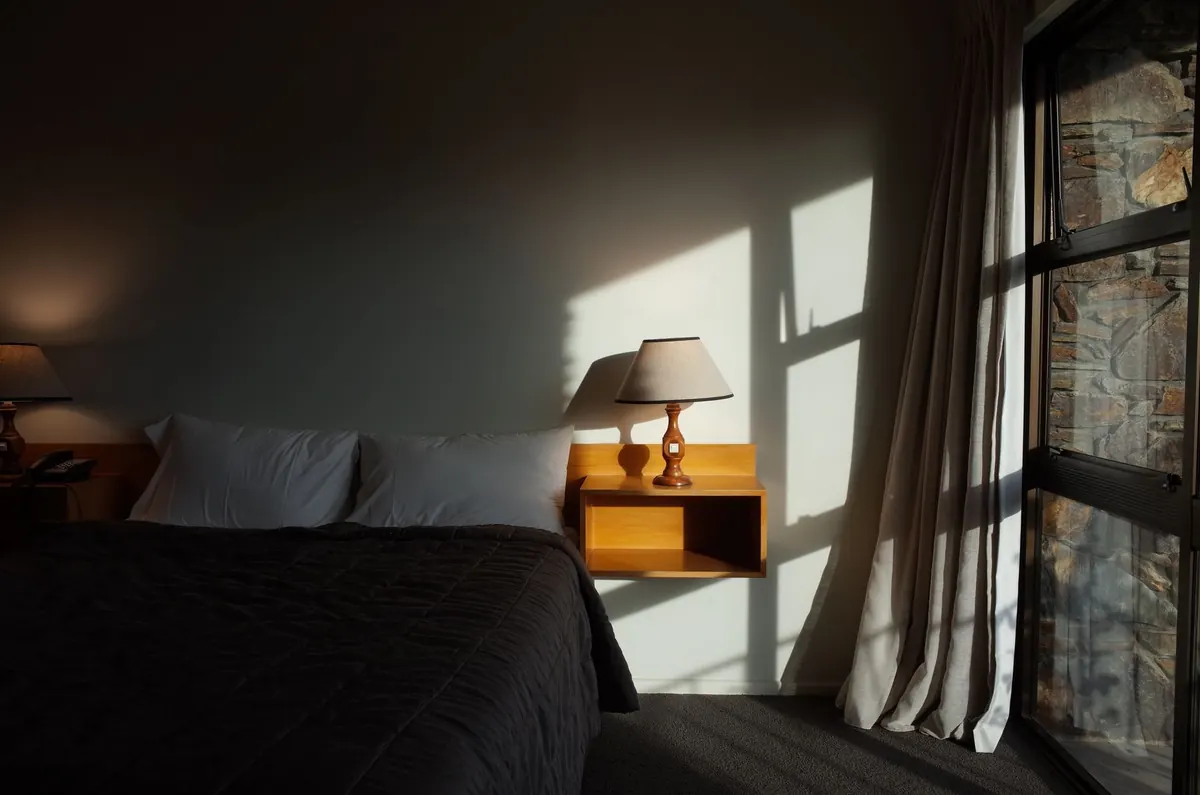
North light is indirect. It never carries the warm, golden quality of sun coming through a south or west window; instead it takes its colour from the sky, which means a cool, blue-grey cast for most of the year. It is even and gentle, kind to a table lamp and a piece of art, but it is also flat — and in a UK winter, it is thin.
Two things follow from that. Cool undertones get exaggerated, so any hint of blue, violet or icy green in a paint is pulled forward, and whites with no warmth in them tend to read as grey. And because less light bounces around the room, colours look duller and deeper on the wall than they did on the card.
North light is not constant. On a bright morning it can be surprisingly crisp; on a wet November afternoon the whole room turns the colour of the cloud outside. Evening light is your own, so lamps matter as much as paint. Judge a colour at all three points before you commit.
Every paint colour is a base with an undertone running through it. "Greige" might be yellow-greige, pink-greige or green-greige, and all three behave differently against cool light. Yellow and brown undertones hold their warmth; blue, grey and green-blue undertones are the ones that go cold on you.
A quick way to read a colour card: put it on a sheet of plain white paper. If the card makes the white around it look slightly blue or cold, the paint is cool. If the white looks creamy or faintly pink, the paint is warmer than it first appears.
Depth matters too. A pale colour has less pigment, so its undertone is subtle. Take the same family three shades deeper and the undertone becomes the dominant note. In a north room, that usually means going warmer as you go darker.
You do not need to paint everything beige. You need colours whose warmth survives a grey day.
Handle with care: pale blue-greys, cool lilacs, mint, silver-grey and brilliant white. None of them are banned, but they will look colder and greyer than you expect. If you love one, keep it to a single alcove or below a dado rail and warm everything around it.
Brilliant white woodwork is the default in British homes, and it is the fastest way to make a north room feel chilly. Next to a warm wall, under cool light, brilliant white shifts grey-blue and can look faintly grubby even a month after painting. It also creates a hard contrast that emphasises how flat the light is.
Choose an off-white or soft cream with a yellow or pink base for skirting, architraves and door frames. If you want the room to feel calmer, paint the trim the same colour as the walls, or one shade lighter. Sheen matters as well: high gloss bounces more light but looks cold and shows every imperfection, so satin or eggshell is usually the better compromise in a dim room.
Look up in a north-facing room in February and you will often see a grey ceiling, because that is what a white ceiling does when the light is cool. Paint it warm white rather than brilliant white, or add a splash of the wall colour to the ceiling paint so it carries a hint of warmth and ties the room together.
In a small, boxy north room, painting the ceiling the same colour as the walls — or a half-strength version — blurs the edges and stops the ceiling reading as a separate, dim surface. Keep it matt, and remember that a colour with a higher light reflectance value (many ranges print this on the card) returns more light to the room than a darker one of the same hue.
Small ideas for cozy corners and compact homes.
Copyright © 2026 Nook Bit. All rights reserved. Nook Bit.